Binster Bt 185 is a compact, buyer-oriented reference point for choosing the right device and supplier workflow. This guide explains what the BT 185 class typically implies for performance expectations, compatibility, and quality checks, using an objective lens. It then outlines a comparison-style decision framework, sourcing conditions, and requirements to help you evaluate sellers responsibly.
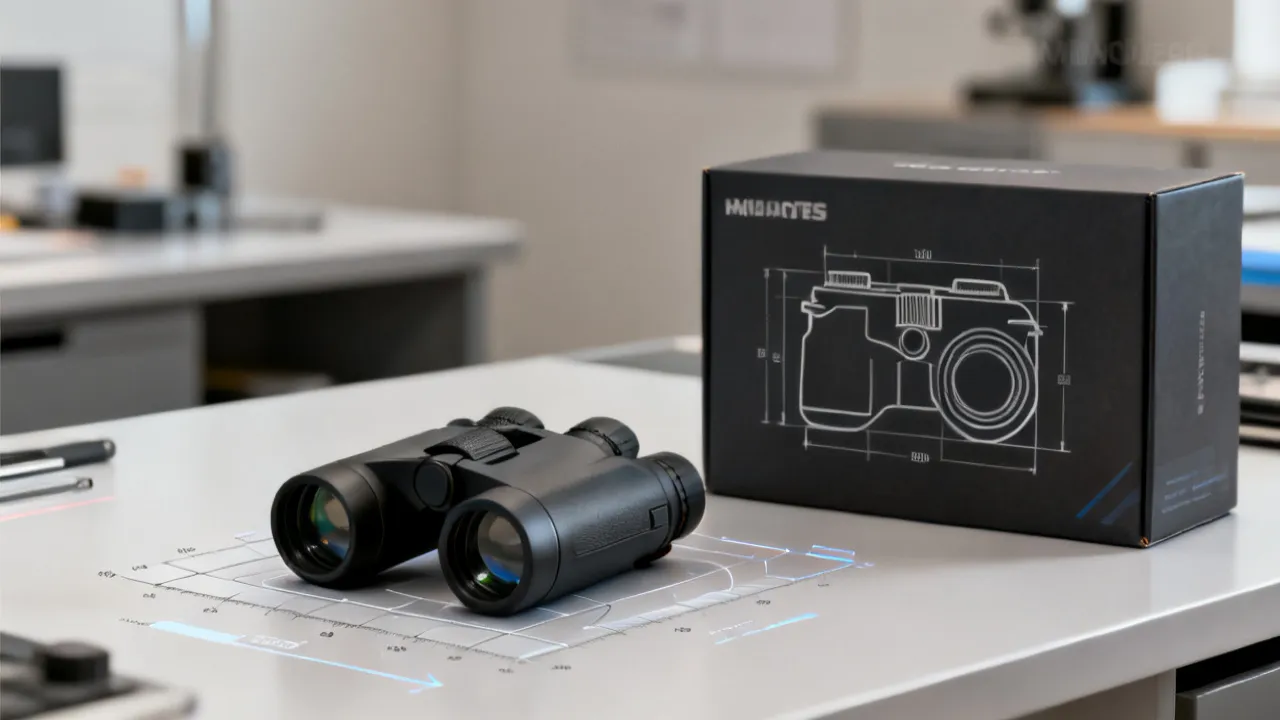
Binster Bt 185 is often presented as a practical, problem-solving purchase—but “practical” can mean different things depending on what configuration you actually receive, who supplies it, and what terms surround warranty and returns. Before you pay, your goal should be clear and structured: confirm the product’s specifications (to the extent the seller provides them), verify the supplier’s credibility, and ensure the unit matches your intended use. While the label “BT 185” may appear across multiple listings, smart buying depends less on the label alone and more on traceable, verifiable details such as lens/material specifications (if relevant), included accessories, packaging condition (new/sealed vs. opened/refurbished), warranty terms, and the seller’s ability to document product condition and performance.
In other words, treat each listing as an offer you must validate. You’re not just purchasing “Binster Bt 185”—you’re purchasing a specific configuration with specific inclusions, condition status, and after-sales terms. If those pieces don’t align with what you need, you can end up with an expensive mismatch: an incomplete kit, a unit that’s been handled or repaired, or a warranty that’s nominal rather than practical.
This guide builds an expert-style, objective framework for assessing Binster Bt 185 options—how to compare offerings, what questions to ask suppliers, and which documentation to require before payment. Whether you shop through marketplaces, local distributors, or import channels, the evaluation discipline should be the same: clarify the exact configuration, confirm return and warranty handling, and validate claims through documentation rather than promotional language.
In consumer technology and light industrial equipment, model naming can vary between manufacturers, importers, and resellers. A model string such as “Binster Bt 185” can function as a shorthand for a variant, a bundled package, or a regional SKU. As a result, two sellers may display the same “BT 185” name while shipping different configurations—such as different included accessories, different packaging condition (new/sealed vs. opened), or even different documentation sets.
It helps to understand how listing practices work in real commerce. Many sellers reuse a stock template: they paste a product name, attach a generic photo, and describe “what it is” without always specifying the exact version. Even when sellers are honest, they may be relying on upstream information that is incomplete—especially if they resell through wholesalers or importers who categorize product lines at a high level. This can cause “model name drift,” where the name you see is technically accurate but still too vague to guarantee the exact configuration.
From an industry perspective, this is why experienced buyers treat model names as a starting identifier rather than final proof of capability. The decisive factors are measurable specs (where provided), physical inclusions in the box, warranty coverage terms, and whether the seller offers legitimate after-sales support. This approach aligns with widely used quality assurance practices found in retail and after-sales operations: verify identity, verify inclusions, verify terms, and retain evidence.
One additional nuance: sometimes “BT 185” can be used in listings alongside another descriptor like “kit,” “set,” “bundle,” “pro,” “standard,” “OEM,” “refurbished,” or “open box.” These descriptors often matter more than the base model string. If you see those qualifiers, they become part of the identity you must verify.
When evaluating Binster Bt 185 listings, focus on four categories. These are the areas where buyers very often encounter differences between seemingly similar products, and where disputes most frequently originate.
When these four drivers are addressed upfront, the buying process becomes less guesswork and more like procurement. And procurement discipline is what prevents costly “gotchas”—like receiving a device missing the very component you assumed was included, or learning only after delivery that the warranty process is burdensome.
“Price information” was requested for seamless integration; however, the prompt did not provide a specific price figure for Binster Bt 185. In real buying decisions, the correct way to evaluate cost is to compare like-for-like items. Two listings with different totals may still represent the same underlying unit if one includes accessories or offers broader warranty coverage.
Industry top practice: calculate the effective price by separating base unit cost from bundle value. If Seller A lists Binster Bt 185 at a lower visible price but omits accessories or reduces warranty coverage, the “true cost” may be higher once you factor in missing components, shipping risk, or service risk. Likewise, a slightly higher upfront price can be justified if it includes a more complete set of items, clear documentation, and a straightforward return/warranty path.
To avoid overpaying, use a normalization approach:
For transparency, always request the seller’s written confirmation of the following:
If the seller refuses to clarify inclusions or terms, that is itself a data point. When something is uncertain, the burden of clarification should not fall entirely on you after payment.
Another pricing nuance: sometimes marketplaces show “lowest price” but hide shipping costs until checkout. Always compute your all-in price. Also compare whether taxes differ by region, and whether the seller offers local pickup or local returns, which can significantly change your real cost of ownership.
Supplier credibility matters because Binster Bt 185 is typically purchased through channels where documentation quality and after-sales workflows can differ substantially. An expert procurement mindset treats supplier verification as part of the product evaluation—especially for devices where performance depends on correct assembly, correct configuration, and proper calibration or alignment (where relevant).
Before you proceed, verify the following:
If your purchase route involves nearby logistics hubs, “nearby” can affect shipping times and return feasibility. Local handling often reduces downtime because returns may be processed faster, and communication may be easier—especially when you need packaging standards, labeling instructions, or proof-of-condition photos for claims. If you’re buying from an overseas or distant channel, verify the cost and timeline of shipping back for warranty or return. That can change the practical value of any warranty warranty statement.
Also consider whether the seller supports the same language and jurisdiction expectations. If the documentation is only in a different language, ask whether warranty instructions can be provided in your preferred language or at least summarized clearly. Miscommunication is a common reason warranty claims stall.
Finally, check whether the seller provides a clear invoice/receipt. Many warranties and consumer dispute processes require proof of purchase that includes date, product identifier, and seller information. If the seller can’t provide a proper receipt, it’s a warning sign.
Even when the name matches, suitability depends on how you plan to use the device. Many buyers focus only on headline specs and then discover mismatches in handling, ergonomics, or environment fit. Others discover too late that they need an accessory that is not included, or that the device requires specific consumables or installation steps.
Consider these questions:
From a risk-management perspective, the very costly mistakes are usually compatibility errors and under-estimated maintenance requirements. A quick check of included items and any stated compatibility constraints reduces that risk. But to make the check truly effective, you must connect the listing details to your use-case. For example, if you plan to use the device in a specific setup, ask whether the required connections are included (ports, cables, mounts, adapters) and whether there are known installation steps.
It’s also worth evaluating how you’ll store the device when not in use. Some products require protective cases, silica packs, or careful shielding from dust. If the device is meant to be transported frequently, packaging quality may reflect the seller’s handling care: new sealed packages usually suggest better protective storage, while open box units may have been moved around without the same protective discipline.
Whether you buy Binster Bt 185 through a local retailer or an online supplier, you can reduce uncertainty by doing a structured inspection right after arrival. If you’re concerned about condition or performance variability, the earlier you inspect and document, the better your leverage in any dispute.
When you inspect, think in terms of identity confirmation, completeness confirmation, physical integrity, functional basics, and evidence capture.
If any detail conflicts with the listing, contact the supplier promptly while packaging evidence is still available. Sellers often handle disputes faster when you provide clear documentation early. Delays can make evidence harder to interpret or can lead sellers to claim you caused the damage.
Additionally, if the device requires initial setup or calibration, consider documenting the setup steps. Some sellers may deny warranty claims if you fail to follow initial setup instructions. If you have the manual, follow it and keep notes about what you did and what results you observed.
The following supplement is designed to help you compare Binster Bt 185 options in a consistent way. It is written as a practical checklist rather than promotional advice. The main objective is to reduce ambiguity by forcing the listing and seller details into a structured evaluation.
| Evaluation Area | What to Look For | Why It Matters |
|---|---|---|
| Model/Variant Match | Exact configuration details, photos of labels, and listed inclusions | Prevents “same name, different product” situations |
| Price-to-Inclusions Ratio | Base unit vs. bundled accessories; clarity on warranty terms | A lower price can become costlier if service or accessories are missing |
| Supplier Documentation | Manual/spec sheet availability; serial number tracing | Supports warranty and reduces ambiguity in disputes |
| Return and Warranty Conditions | Return window, restocking fees (if any), shipping responsibility | Determines practical recovery if the unit is not as expected |
| Condition Status | New vs. refurbished vs. opened; visible wear disclosure | Impacts reliability and good maintenance |
Source (for the underlying approach): The evaluation principles above align with widely used consumer retail verification practices and quality assurance norms: matching product identity to documentation, confirming included items, and ensuring warranty/returns are explicitly documented by sellers. For general guidance on consumer rights, documentation expectations, and dispute processes, consult official consumer protection resources in your jurisdiction (e.g., your national consumer agency) and relevant e-commerce dispute frameworks. (No specific performance metrics for Binster Bt 185 are asserted here due to lack of verified, model-specific data in the prompt.)
Step-by-step guide (how to act):
Conditions/requirements (before purchase):
Below are frequently asked questions written to mirror what buyers typically need to decide quickly and responsibly. Use these questions as templates when contacting sellers—ideally asking in writing so the responses become part of your record.
Not necessarily. The same model label can appear with different bundles or variants. Treat the model name as an identifier, then confirm the exact configuration through labels, photos, and the listed included items. If possible, request a photo of the actual unit’s label showing the full identifier and any revision code.
Compare total value, not just the visible price. Normalize by checking included accessories, documentation, and warranty/return conditions. If a lower price comes with reduced warranty or missing accessories, the effective cost may rise. Also consider your time cost: a difficult warranty path can be more expensive than a slightly higher upfront price from a better-supported seller.
Ask for the condition status (new/refurbished/opened), what accessories are included, warranty coverage provider, warranty activation requirements, and the return process (timeline and who pays return shipping). If the seller claims refurbished quality, ask what testing was done and whether there’s a checklist or statement of refurb process.
Verify the label/serial information matches the order, confirm the package contents, inspect for physical damage, test core functions as described in the manual, and document the condition with photos/videos in case you need to file a claim. Keep original packaging at least until you confirm everything works and matches expectations.
Keep proof of purchase, the device label/serial photo, the order confirmation, and any warranty booklet or manual provided in the box. Organized records reduce delays in after-sales handling. If the seller provides a digital warranty registration link, save screenshots or email confirmations showing you registered successfully.
Yes. Unclear warranty terms often lead to longer resolution times and higher inconvenience if issues arise. Prefer suppliers who explicitly state how service requests are handled and what evidence is required. If terms are unclear, ask them to write the process steps—like where to send the unit, what address to use, and expected turnaround time.
Yes. Local purchase can simplify shipping and returns, but the same diligence—verifying the exact configuration, checking included items, and confirming warranty/return conditions—still applies. Local doesn’t automatically mean better documentation; it only reduces shipping friction.
To make a sound decision on Binster Bt 185, adopt a procurement-like approach: reduce ambiguity before purchase and build evidence after receipt. This strategy prevents common buyer disappointments—receiving an unexpected bundle, discovering warranty limitations, or realizing too late that return options are restricted.
Think of each listing as a hypothesis: “This listing corresponds to the Binster Bt 185 configuration I want.” Your job is to confirm that hypothesis through documentation, seller responsiveness, and structured inspection. The more verifiable evidence you gather, the lower the risk.
Here’s a practical, seller-proof way to run the strategy. You can do it in two phases: pre-purchase verification and post-purchase validation.
Many buyers underestimate how strongly documentation influences outcomes in returns and warranty claims. Sellers and service centers often have standardized workflows. If you provide clear, timestamped evidence and a consistent set of records, your claim moves faster because you reduce investigation time.
Conversely, if you cannot prove the condition of the device on arrival, or if your documentation is scattered across messages, photos, and emails, the claim may stall while the seller requests additional information or blames shipping damage on your side.
To keep the process clean, treat evidence like a checklist. The key artifacts are: photos/videos of the unit and packaging, label/serial photos, the order invoice, listing screenshot, seller messages confirming inclusions and terms, and any manual/warranty documentation included in the box.
Even without specific performance metrics provided here, there are common purchasing pitfalls that occur with many electronics and light equipment listings. These gotchas are worth calling out explicitly because they’re predictable and preventable.
When you identify a gotcha, address it before purchase. Once you pay, you’re largely dependent on the seller’s policies, which may be harder to negotiate compared to asking clarifying questions upfront.
Many buyers ask generic questions and then receive generic answers. If you want precise responses, ask questions in a way that forces specificity. Here are templates you can adapt when contacting sellers about Binster Bt 185.
Template 1: Inclusions list
“Can you confirm exactly what is included in the box for Binster Bt 185 (all accessories, cables/adapters, and any paperwork)? Please list each item.”
Template 2: Condition definition
“Is this unit new, refurbished, or open box? If refurbished/open box, what testing or refurbishment process was performed, and what parts were replaced?”
Template 3: Warranty coverage
“Who provides warranty service for Binster Bt 185, and what is the warranty duration? What are the warranty activation/registration requirements, and what proof of purchase is needed?”
Template 4: Returns
“What is the return window for Binster Bt 185, and are opened units eligible? Who pays return shipping, and are there restocking fees?”
Template 5: Serial label photo
“Can you provide a photo of the label/serial identifier on the exact unit you will ship (with the relevant model/version visible)?”
These questions reduce ambiguity. Even if you don’t receive every item immediately, you’ll learn quickly whether the seller can provide structured answers.
Binster Bt 185 can be a straightforward purchase when you treat the model name as the first clue—not the final proof. Confirm configuration and included items, evaluate price in terms of real value and warranty coverage, and document condition upon delivery. If you follow the comparison framework and step-by-step checks above, you’ll make a more objective decision and improve the odds of satisfaction.
Most importantly, don’t let the process become passive. Buying responsibly means active verification: ask for documentation, verify inclusions, understand warranty and return terms, and capture evidence on receipt. If you apply this discipline consistently, you’ll avoid many of the most common and expensive buying mistakes—especially the ones that stem from “same name, different package” listings.
If you share your intended use case (for example, typical environment and whether you need specific accessories), I can help you translate those needs into a tighter checklist tailored to the exact Binster Bt 185 configuration you’re considering.
Striking the Perfect Balance: Navigating Premiums and Out-of-Pocket Expenses in Senior Insurance Plans

Explore the Tranquil Bliss of Idyllic Rural Retreats

How to Make Lasting Memories at Disneyland Attractions

Affordable Phones and Plans for Seniors

Affordable Full Mouth Dental Implants Near You

Unlock the Top Kept Secrets to Finding Your Ideal Dentist for Flawless Dental Implant Results!

Discovering Springdale Estates

Unveiling RS Sul Telecom Services

The Guide to Car Trading


Understanding Proportional Valves
Proportional valves are hydraulic components vital for controlling fluid flow and pressure with high precision in various industrial applications. Their importance in automation and manufacturing settings stems from their ability to offer variable output in response to input signals, greatly enhancing system efficiency and performance.
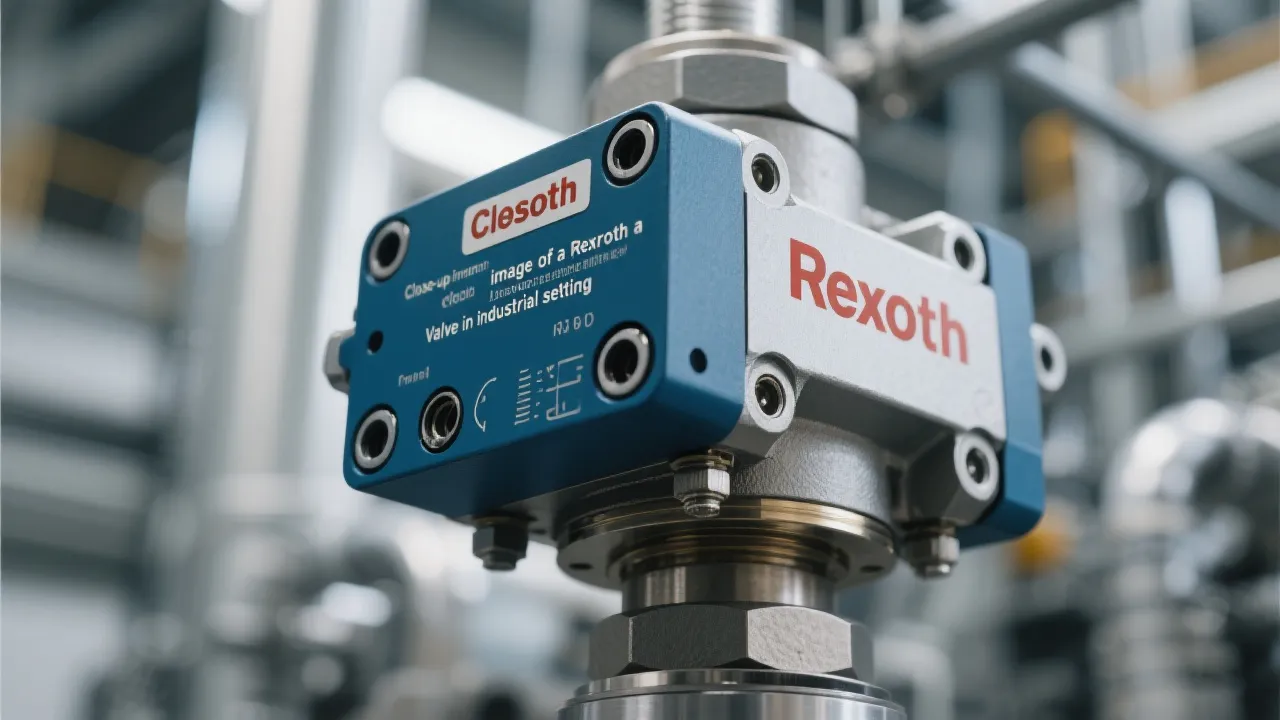
Understanding Rexroth Valve Systems
Rexroth Valves are quintessential components in various industrial applications, known for their precision and reliability. These hydraulic, pneumatic, and electrohydraulic valves regulate fluid flow in machinery, ensuring optimal performance and safety. Understanding their functionality and benefits is crucial for industries seeking efficiency and sustainability in their operations.

Unveiling Thermo Fisher Chromatography
This article explores the pivotal role of Thermo Fisher Chromatography in modern analytical science. Chromatography is crucial for separating compounds within mixtures, making it indispensable in industries such as pharmaceuticals and environmental testing. Thermo Fisher Scientific stands out in this field for its innovative solutions, leading to improved accuracy and efficiency in research and development.

Understanding Corrosion Inhibitor Manufacturers
In today's industrial landscape, corrosion inhibitor manufacturers play a crucial role in safeguarding equipment and infrastructure against corrosive damage. These manufacturers provide specialized chemicals that prevent corrosion in various environments, including industries such as oil and gas, marine, and construction. Understanding their operations and offerings is essential for selecting the right supplier and maintaining asset longevity.

Analyzing Lm66100 Digikey Components
This article offers an in-depth analysis of the Lm66100 component available through Digikey, a renowned distributor of electronic components. The Lm66100, a load switch, is integral in industry applications, providing efficient power management. This piece explores its features, applications, and availability through Digikey, while offering a comprehensive guide for industry professionals seeking to optimize their electronic designs.

Leading Corrosion Inhibitor Suppliers
Corrosion inhibitor manufacturers play a crucial role in protecting materials from degradation. These companies specialize in creating chemical compounds that slow down or prevent the corrosive effects on various surfaces, especially metals. Understanding their production processes and solutions offered is vital for industries reliant on metal infrastructure.
