This guide explains Profileimpl Jade and how to evaluate modern implant quality with a focus on material, manufacturing controls, and clinical fit. It provides objective background on “Jade”-branded implant positioning, common terminology used by suppliers, and practical selection criteria—so buyers can compare offerings responsibly based on documentation, clinical protocol, and service terms rather than marketing alone.
Profileimpl Jade is typically discussed in the context of modern dental implant systems and the broader supply chain that supports them—where quality is determined less by branding and more by traceable manufacturing controls, verified biocompatibility documentation, consistent geometry, and clinician-supported outcomes. When you evaluate a “Jade”-style implant offering, your primary goal should be to confirm whether the supplier can substantiate the system’s specifications, quality assurance approach, and compatibility with standard restorative workflows.
In practice, many procurement mistakes happen long before a surgeon ever touches an implant. They start with buying assumptions: that the name implies a certain class of design, that the “look” of packaging signals maturity, or that the quoted product scope is complete. Industry experts know the real risk lives in what cannot be quickly confirmed—tolerances that don’t match your prosthetic components, documentation that isn’t batch-specific, surface characterization that isn’t clearly described, or supply chain gaps that make it difficult to trace a lot if there is a quality concern.
From an industry expert’s perspective, the very important decision isn’t the surface “look” or the marketing label; it’s whether you can confirm, with documentation, how the implant is made, what tolerances are used, what materials are employed, and how packaging and traceability are handled through distribution. If those details are missing, buyers should treat any implied performance claims as unverified. Put differently: a dental implant is a regulated medical device, but it is also a high-consequence clinical component. Selection should be evidence-led and audit-ready.
It’s also worth acknowledging that implant buyers often come from different backgrounds. A clinician may focus on osseointegration potential, surgical protocol clarity, and restorative compatibility. A procurement manager may focus on supply reliability, lead times, warranties, and documentation completeness. The “Jade” decision becomes smoother when both sides agree on a shared definition of what “enough proof” looks like before purchase.
That shared definition generally includes four pillars:
When these pillars are satisfied, the “Jade” label becomes a minor detail. The system is selected for what it is and what it can be proven to be, rather than for what it is marketed to resemble.
The term “Jade” is often used as a brand or product descriptor rather than a universally regulated technical category. In practice, buyers may encounter it attached to surface finishes, color-coded labeling, or a packaged implant line. However, the only defensible basis for selection is technical and regulatory documentation: material certificates (e.g., titanium alloy composition disclosures where applicable), biocompatibility statements, sterilization and shelf-life declarations, and manufacturing quality system references.
When “Jade” appears in procurement conversations, it can indicate several possibilities:
The key verification step is to translate the “Jade” descriptor into device-specific documentation. Even if the supplier uses “Jade” as a shorthand for a surface, you should request the exact characterization descriptors that allow you to compare like-for-like with alternative systems.
When you are comparing Profileimpl Jade offerings, focus on questions that can be answered with verifiable evidence:
A practical approach is to request a “documentation pack” before purchase, then use that pack to drive the selection meeting. If the documentation is thorough and consistent, you can proceed with confidence. If the documentation is vague (“we can provide later,” “general compliance statement only,” “not available per batch”), treat that as a procurement risk signal, not a minor inconvenience.
For many buyers, the first question is price. Yet implant system costs can be misleading unless they include the full context of what you receive: component completeness, surface specification clarity, documentation pack quality, warranty or replacement policies, and after-sales support. Instead of treating “price” as a single number, evaluate cost as the sum of what you actually need to deliver safe, effective outcomes in your specific practice setting.
Pricing also interacts with operational efficiency. A system that looks inexpensive may drive higher costs through consumable waste, instrument misfit, lab remakes, or delays due to shipping lead times. Conversely, a slightly higher per-unit price may reduce total cost when documentation is ready, compatibility is straightforward, training is available, and reordering is reliable.
Instead of treating “price” as a single number, evaluate cost as the sum of:
Practical note: If you are given a “top price” without a clear breakdown of included components and documentation, you may be comparing at a disadvantage. For responsible procurement, ask for a quotation that separates the implant components, surgical guides (if any), restorative parts, and professional support items. Where possible, ask for itemized SKUs and link them to what documentation is supplied for each SKU and shipment.
A helpful question to ask suppliers is: “What are you not including in this price?” Good suppliers can answer quickly and accurately. Weak suppliers will answer vaguely (“all you need” or “the rest is optional”) which often masks gaps in scope.
Supplier reliability is a major determinant of both clinical continuity and risk management. A competent supplier should be able to explain supply chain controls and documentation governance, not just provide catalog descriptions.
From an expert standpoint, the supplier evaluation should include:
Due diligence should also cover distribution practices. Even if a device is manufactured correctly, poor distribution can erode quality. Ask how devices are stored during transit, what temperature/humidity considerations exist (if any), and how packaging integrity is monitored.
If any of these cannot be addressed clearly, the decision shifts from “brand selection” to “procurement risk.” In regulated healthcare markets, risk control is a professional obligation, not an optional step. Procurement teams can treat unclear answers as a “hold” until the missing information is received and reviewed.
It can also be beneficial to evaluate the supplier’s responsiveness during pre-purchase questions. For example:
In many procurement ecosystems, speed and clarity in early interactions predict performance later when you need replacement parts, reorders, or clarification during audits.
An implant system is only as valuable as the complete workflow around it—planning, placement protocol, and prosthetic connection strategy. Even when an implant line is well-made, poor workflow compatibility can increase complexity, chair time, and potential for avoidable complications.
Clinicians often learn implant systems best through repetition and standardized protocols. Therefore, selection decisions should consider not just whether the system “can work,” but whether it can work smoothly with your team’s existing planning and restorative habits.
To evaluate fit for Profileimpl Jade, consider:
Workflow compatibility also includes documentation usability. A supplier that supplies extensive technical documents but not in a format your team can use is less helpful than a supplier that provides clear labeling instructions, straightforward component pairing guidance, and accessible clinical notes.
This is where supplier support often separates high-quality programs from merely purchasable products. In practical terms, the top technical documentation is the one that teams can actually use at the point of care. That includes instructions for:
If Profileimpl Jade selection is being considered as a new system for your practice, it may help to plan a phased adoption. For example, train staff on documentation and component matching first, then conduct limited initial cases under internal monitoring before expanding case volume.
Within implant dentistry, buyers and clinicians commonly look for evidence from peer-reviewed literature, regulatory filings, and post-market surveillance information when available. However, it is essential to distinguish between:
For baseline expectations on implant dentistry evidence quality and commonly used reporting standards, readers can consult guidance from established dental research and regulatory frameworks. For example, the CONSORT and STROBE reporting concepts are widely used to structure research transparency, and regulatory bodies publish general expectations for medical device evidence pathways. (You should cross-check which documents apply to your region and product classification.)
Source guidance (reliability): For general research transparency and evidence reporting norms, see the CONSORT and STROBE official publications (evidence reporting standards). For medical device regulatory concepts, refer to official guidance from regional regulators such as the European Commission’s medical device documentation framework or the U.S. FDA medical device guidance pages. These sources do not validate Profileimpl Jade directly but help you evaluate the credibility of any evidence offered.
In procurement terms, evidence review is not just about reading study results. It’s about checking whether the evidence addresses key concerns relevant to your decision. For example:
When suppliers provide evidence, you may also want to ask whether the evidence is for the same “Jade” configuration and whether manufacturing changes over time could affect comparability.
The following table compares common decision criteria buyers use when evaluating an implant line like Profileimpl Jade. Use it to structure procurement discussions with suppliers and to ensure documentation is not overlooked.
| Criterion | What to Ask | Why It Matters |
|---|---|---|
| Technical specification clarity | Material family, surface treatment description, component geometry, and dimensional tolerances (as applicable) | Confirms the product you intend to use and supports predictable clinical integration |
| Biocompatibility documentation | Statements describing biocompatibility assessment scope and relevant standards | Supports safe, documented use in oral environments |
| Traceability per batch | Lot/batch traceability method and what documentation ships with each lot | Enables controlled recalls or trace-back if issues arise |
| Sterilization and shelf-life | Sterilization method, storage conditions, and expiration policies | Reduces handling risk and supports infection control practices |
| Regulatory status transparency | Market authorization details relevant to your region | Ensures procurement aligns with healthcare compliance expectations |
| Supplier support | Training availability, compatibility guidance, and responsive technical help | Improves adoption quality and reduces operational friction |
| Pricing structure quality | What the price includes (implant only vs. system components), and what documentation is provided | Prevents “cheap” quotes that hide missing components or support |
To make this table more operational, you can assign each criterion a procurement status in your internal checklist—such as “Received,” “Under Review,” “Missing,” or “Not Applicable.” When multiple teams are involved (clinical, procurement, quality management, compliance), these labels prevent miscommunication and help track closure of outstanding items.
Use this step-by-step workflow to structure your evaluation. The process emphasizes documentation, traceability, and clinical integration rather than marketing claims.
Beyond these eight steps, many organizations add an internal governance step: approvals. For example, your quality manager might require that all documentation fields are complete and traceability is confirmed before the first implant is used clinically.
To maintain objective decision-making, procurement and clinical leadership should align on conditions/requirements before they finalize an order of Profileimpl Jade or any similarly branded implant system.
Additionally, procurement teams may want to define what happens if documentation or traceability items are missing. For example:
Having these answers before placing the order prevents ad-hoc decisions that increase risk and create delays when urgent clinical cases require immediate intervention.
Profileimpl Jade is commonly referenced as an implant product line or branded system name within implant dentistry procurement discussions. The practical meaning depends on the supplier’s packaging and documentation: it may refer to a specific implant system configuration, surface treatment naming, or a product catalog line. You should rely on the technical specification and documentation provided per batch rather than the brand name alone.
To avoid ambiguity, you can ask the supplier to provide the exact product identifiers that map to “Profileimpl Jade.” Ideally, you should receive SKU numbers, device descriptions, and the documentation that corresponds to each SKU.
Compare line-item pricing with clear inclusions. Ask each supplier what the quote includes (implant components, restorative parts, instruments, guided-surgery items if applicable), and confirm whether documentation packs, traceability processes, and shipment terms are included. A lower headline price can become higher total cost if essential components or support are omitted.
When comparing quotes, ensure you normalize the comparison across:
Prioritize: (1) batch/lot traceability and documentation practices, (2) biocompatibility and technical documentation availability, (3) sterilization and shelf-life declarations, and (4) clear guidance on system compatibility and workflow integration.
It can also help to request a “traceability scenario.” For example, ask: “If we identify a device from lot X and need to trace its shipment, what steps and data will you provide, and how quickly?” This tests whether the supplier has an operational trace-back method in place, not just a policy statement.
Typically, “Jade” is a brand descriptor rather than a universally defined medical material category. Performance depends on verified technical design and manufacturing controls, as well as clinical technique and patient factors. Use documentation and system-specific evidence to evaluate, not the descriptor alone.
If the supplier implies that “Jade” relates to a specific material or surface technology, request the exact technical descriptions that support the claim. For instance, ask how the supplier characterizes surface chemistry and whether they provide data or references that define what differentiates that surface treatment from others.
A credible supplier should provide system-relevant documentation and, when available, references to peer-reviewed studies that describe outcomes for the system or closely related configurations. Evaluate whether the evidence is transparent about methods and endpoints. For research reporting integrity, consult established research transparency and reporting frameworks such as CONSORT and STROBE.
To assess evidence quality in a procurement-ready way, ask for:
If the supplier offers evidence but cannot identify the device specifics, treat that evidence as general and not as a direct basis for procurement decisions.
Yes—storage conditions, shelf-life, and sterilization handling instructions should be provided with each shipment. Your intake protocol should verify labeling, lot number capture, expiration dates, and packaging integrity before use. These requirements are part of routine healthcare device quality management.
For practical operations, your storage and handling requirements should include:
Integration depends on connection design and restorative compatibility. Confirm compatibility with your restorative components, lab processes, and tools. A competent supplier should be able to clarify which restorative kits are used with which implant configurations.
Integration also includes whether your team can train and document the restorative steps. If the restorative workflow requires specialized components or unique steps, training must be part of the procurement plan, not an afterthought.
If you cannot obtain clear technical specifications, documentation per batch, biocompatibility statements, and traceability practices, you should pause procurement and request the missing information. In healthcare procurement, incomplete documentation increases operational and compliance risk.
Incomplete documentation is not always a supplier “failure,” but it is a procurement risk that needs resolution. Your next action should be defined: request missing documentation, set deadlines, and decide whether to proceed if documentation remains unavailable.
Profileimpl Jade should be evaluated as a system with documented technical characteristics and a reliable supply chain—not simply as a branded implant name. By using the comparison table and the step-by-step checklist, teams can reduce procurement uncertainty and strengthen compliance. When supplier responses are specific, documentation is complete, and workflow compatibility is confirmed, the decision becomes grounded in quality management rather than promotional messaging.
To make these takeaways actionable, many clinics create an internal “implant system evaluation file” that contains:
That file supports audits, reduces staff onboarding friction, and prevents repeated re-evaluation of the same system if leadership changes or staff rotate.
If you share the region you operate in and the restorative workflow you use (for example, connection type preferences or lab constraints), you can tailor the evaluation checklist more precisely to ensure Profileimpl Jade—or any alternative implant system—meets both clinical and procurement requirements.
This guide avoids unverified performance claims and does not rely on exaggerated statistics. Where evidence norms and transparency frameworks are referenced, they are based on established research reporting guidance. For regulator-specific requirements and market authorization criteria, consult official regional medical device guidance relevant to your location and intended use.
In the same spirit, when reviewing any materials provided by suppliers, pay attention to:
By keeping evidence review and documentation integrity at the center of the selection process, Profileimpl Jade can be evaluated fairly—on the basis of what can be proven—while still allowing clinicians to focus on the primary goal: delivering safe, reliable restorative outcomes for patients.
Striking the Perfect Balance: Navigating Premiums and Out-of-Pocket Expenses in Senior Insurance Plans

Explore the Tranquil Bliss of Idyllic Rural Retreats

How to Make Lasting Memories at Disneyland Attractions

Affordable Phones and Plans for Seniors

Affordable Full Mouth Dental Implants Near You
Unlock the Top Kept Secrets to Finding Your Ideal Dentist for Flawless Dental Implant Results!

Discovering Springdale Estates

Unveiling RS Sul Telecom Services

The Guide to Car Trading

Striking the Perfect Balance: Navigating Premiums and Out-of-Pocket Expenses in Senior Insurance Plans
Finding an optimal mix of insurance premiums and direct medical costs is crucial for effective healthcare budgeting. This discussion will delve into tactics to achieve a balance that aligns with your finances.
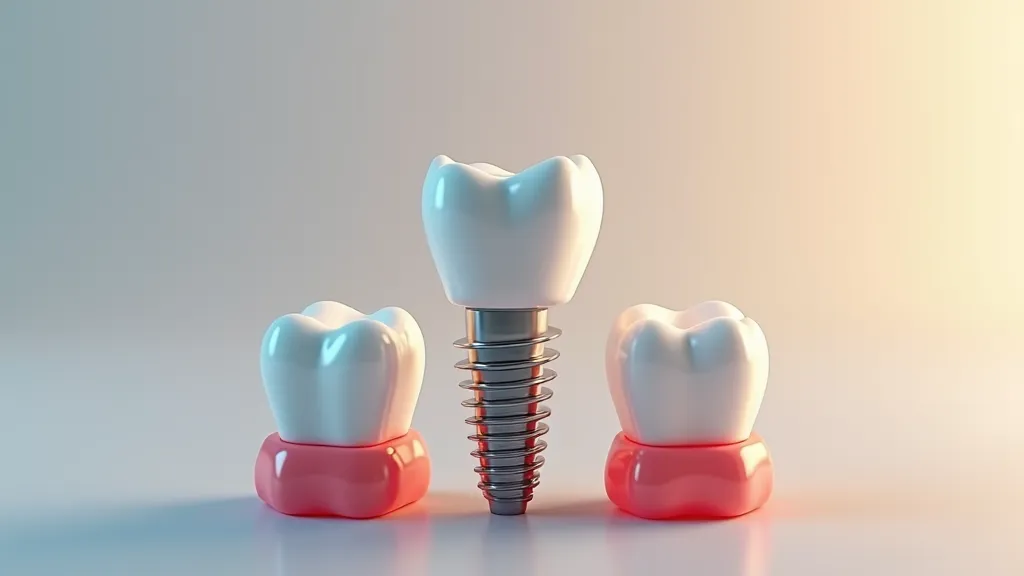
Unlock the Top Kept Secrets to Finding Your Ideal Dentist for Flawless Dental Implant Results!
Selecting an adept dentist is critical for ensuring the efficacy and your satisfaction during a dental implant procedure. This in-depth guide is designed to assist you in finding a dental expert who meets your personal requirements, guaranteeing that your path to dental implant success is seamless and fruitful.
Protect Your Perfect Smile: Master the Art of Defending Your Teeth Against Acid Attacks
Though they may tantalize the palate and invigorate the senses, foods and drinks with high acid content are a double-edged sword with regard to oral wellness. Continual exposure to these substances progressively strips away the protective enamel from our teeth, which can lead to increased sensitivity, changes in coloration, and a variety of other dental complications. This composition offers insight into relishing these zesty favorites while safeguarding your teeth from damage.

Discovering Heartis Eagle Mountain
Heartis Eagle Mountain is a prominent senior living community that offers a range of services and amenities aimed at enhancing the quality of life for its residents. Situated in a peaceful setting, it combines exceptional care with engaging activities, providing a holistic environment that caters to seniors' physical, emotional, and social needs.

Unveiling the Top Dental Implant Options for Seniors: Transform Your Smile with the Ultimate Guide to Restored Radiance
The significance of oral health cannot be understated for the elderly population as they are commonly afflicted with tooth loss due to a multitude of factors, including decay and gum disease. Dental implants have risen to prominence as a prime method of teeth replacement, acclaimed for their long-lasting nature, functional prowess, and striking similarity to our own teeth. This discussion delves deeply into the realm of dental implants to demonstrate why they are considered the optimal choice for aged individuals aiming to enhance their smiles and overall life quality.

Boost Your Defenses: 20 Proven Strategies for a Stronger Immune System
Having a robust immune system is essential to protect our bodies from harmful microorganisms and preserve our general health. Although some elements that affect our immunity are out of our hands, many lifestyle decisions can help us enhance our immune defenses naturally. This piece delves into 20 practical methods to empower your immune system, increasing your capacity to ward off diseases and sicknesses.