This guide explains how to compare Adult Apartments Near Me options using objective factors like location, accessibility, contracts, and total monthly costs. It also outlines how English-speaking and French-speaking communities structure senior housing resources, plus practical steps to identify lower-cost pathways. Finally, it provides rental-only price ranges by country and city type, along with key questions to ask.
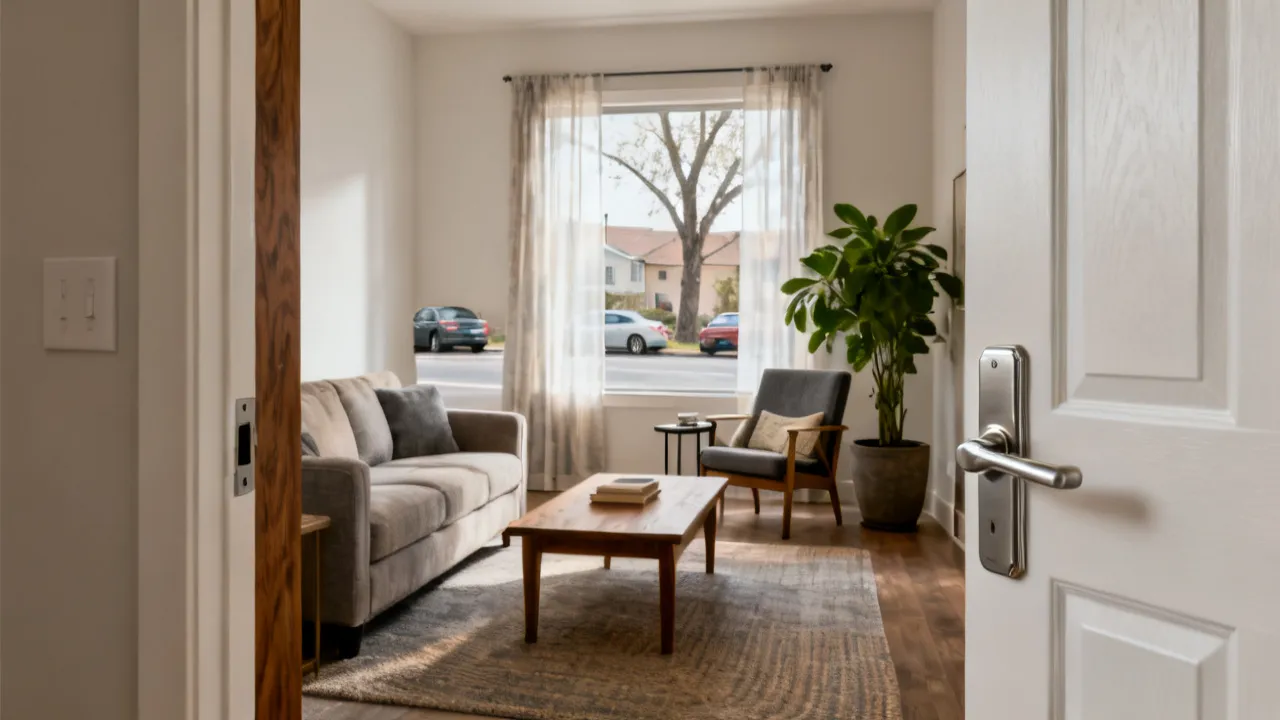
If you are searching for Adult Apartments Near Me, the goal is rarely just to find a unit—it is to choose a living arrangement that fits your daily routine, budget, and good preferences. This guide focuses on how to evaluate adult-oriented rental communities and similar housing options using transparent, verifiable criteria (rent structure, accessibility, contract terms, and services), while avoiding assumptions about “the low price” or “the top.”
When people type Adult Apartments Near Me into a search engine, they are usually trying to reduce uncertainty quickly. They want to know: “What can I actually afford?”, “Will it work for me physically?”, “Is it safe and responsive?”, and “What happens if my situation changes?”. Those questions are not answered by marketing language. They require a structured comparison and a clear set of questions you can reuse for every community you consider.
This is a practical, objective approach. It uses a checklist mindset: you gather the same kinds of information from every option, compare like with like, and document the answers. You also treat time as part of the budget (how long your commute will be, how far appointments are, how quickly maintenance responds, and how long it might take to get approved for a certain unit type or service package).
The phrase Adult Apartments Near Me typically reflects one of these situations:
Because rules and services vary widely—from independent-style apartment living to age-targeted communities—an objective approach helps you avoid mismatches.
In practice, the mismatch risk often appears in predictable places. For example, a community may advertise “independent living” but still charge a monthly program fee. Or it may market “easy access” but have steps at building entrances and narrow bathrooms. Or it may describe “social activities” but only run them at limited times and with limited participation. Structured comparison helps you separate what is truly included in the monthly price and what is simply described as possible.
“Adult apartments” can mean different things depending on the country and operator. Some communities are age-restricted (for example, typically 55+ in many markets), while others emphasize an “adult lifestyle” without formal age gating. Before viewing any unit, confirm:
This step is not just about compliance—it impacts availability. If you are not eligible yet, you may still want to know whether there is a waitlist or whether you can move in temporarily. If you are eligible, confirm whether eligibility is strictly tied to age, to the age of the leaseholder only, or to other household rules.
Also clarify what “adult-oriented” means operationally. Does it mean age-restricted common areas? Different visitor rules? Noise or curfew expectations? Policies about overnight guests? Some communities designed for adults handle these matters differently than standard apartment complexes.
Even when rent is the headline figure, your real monthly budget may change based on utilities, fees, parking, housekeeping, internet, or community charges. Ask for the full pricing schedule and request:
To compare objectively, you want a “like-for-like monthly total.” A community that advertises a lower base rent may have higher mandatory monthly charges. Conversely, a slightly higher base rent might include utilities and certain services (like basic trash pickup, water, or maintenance response times).
Be precise about utilities. Many adults underestimate how utilities can fluctuate with seasons. Ask whether the quoted rent includes heating/cooling, and if not, estimate typical costs using a range (summer vs winter). Also ask whether the unit uses individually metered utilities or building-level billing.
If the community offers “bundled services,” treat the bundle as a pricing product. Request what is included (frequency, boundaries, cancellation rules if you opt out). If it is optional, ask if opting out changes rent or reduces only the service fee.
Many adults prioritize practical features rather than luxury. When assessing a unit, focus on:
Accessibility is not a single feature—it is a network of details that can either reduce friction or create daily barriers. When you visit, think like you will actually live there. Can you navigate the route from bedroom to bathroom to kitchen without awkward turns? Does the bathroom door swing clear of a wheelchair path (if relevant)? Are floors non-slip in shower areas?
Also consider whether the unit’s accessibility is built-in or dependent on permission for modifications. If modifications are allowed, ask:
If you anticipate mobility changes, prioritize accessible unit types early rather than hoping for flexible upgrades later. Even when upgrades are allowed, installation and approval timelines can affect your comfort and safety.
A key risk in any “nearby” housing search is signing a contract without understanding how changes in mobility, health, or staffing needs are handled. Ask for written answers on:
Lease terms are not just legal language—they become practical outcomes. Consider how long you are locked in. Consider how rent increases are calculated. Consider what the community expects as “notice” if you must move out.
Also clarify the boundary between housing and support. For example, if care is not provided in-house, you may still need external care access. Ask how external caregivers can enter the building, whether they must register in advance, whether they can access a unit unsupervised (if applicable), and whether there are restrictions around shift times.
If the community offers optional services (like transportation or housekeeping), ask whether those services are guaranteed frequency items or subject to availability. Then ask whether your fees change if you use the service more frequently—or if you can reduce service packages to lower cost.
Amenities can include fitness rooms, social events, dining programs, and transportation support. Treat them as lifestyle multipliers, not as guarantees of health outcomes. Verify what is actually available and how often it runs.
To evaluate amenities objectively, ask for practical details:
Also consider whether amenities are truly “resident-only” or are offered to guests. Some communities allow family members to attend certain events; others restrict access. If you value family participation, ask how this is handled.
Adult apartments often become home longer than typical “young professional” apartments. Safety and maintenance response time are therefore more important than many people expect at the search stage. You can’t always measure “responsiveness” in a showroom, but you can gather evidence:
If the operator offers a community office, ask where it is located, what the hours are, and what happens when office staff are unavailable. Ask who covers emergencies on weekends and holidays.
Maintenance reliability can reduce your day-to-day stress significantly. Even small issues—like a door that doesn’t latch properly, a faulty bathroom fan, or a weak handrail—can affect safety and comfort. A well-run adult community usually has consistent processes and documentation for maintenance.
“Adult apartments near me” searches often include a social goal: companionship, structured activities, and a community environment. However, social fit is not guaranteed. Some communities feel active and welcoming; others are quiet and more independent. Ask about culture in a neutral way:
Privacy is also a factor. If you value privacy, ask about guest policies and whether common spaces are accessible at all hours. If you prefer community engagement, ask about how frequently events run and whether residents who are less mobile can attend.
In many English-speaking countries and French-speaking countries, families often rely on established senior-living directories, advocacy organizations, or move-transition networks to reduce uncertainty. Below is an objective way to approach the research ecosystem, with examples of well-known organizations and platforms.
These resources can help you understand categories, plan questions, and find directories for housing options. They may not provide “the best price” directly, but they can improve your decision quality by ensuring you ask the right questions and understand typical expectations.
In the United States and other English-speaking markets, organizations commonly provide directory access and explain how to choose among independent living, assisted living, memory care, and active adult communities. For example:
When using directories, remember that each listing may vary in completeness. Use directories as a starting point to find contact information, then verify everything important with the operator directly using your checklist.
If you are planning to use a move manager, clarify what services they provide (packing, downsizing, coordination with movers, paperwork, timing). Also confirm fees and whether there are add-on costs. Move managers can reduce stress substantially, particularly when you need a careful transition plan from a home to an apartment.
In France and related French-speaking contexts, there are specialized platforms and networks. These often emphasize independent living solutions, structured guidance for families, and quality improvement in services:
French-speaking guidance can also be useful outside France, depending on how local housing categories are structured. Like in English-speaking markets, use these platforms to better understand the landscape and ask better questions—not to assume a standardized service across every operator.
Because “low-cost” can be defined differently (lower rent, partial subsidy, service packages, or eligibility-based pricing), it helps to compare options using structured references. The following comparison table is intentionally limited to three columns to keep it readable and objective—focusing on how to find lower-cost pathways rather than claiming exact affordability outcomes.
When comparing adult apartments for budget reasons, you should treat your budget as a set of constraints rather than a single number. Your constraints might include monthly cash flow, one-time move-in costs, accessibility modification costs, and the cost of additional external services if care is not included.
| Resource Type | What to Compare | Why It Matters for “Near Me” Searches |
|---|---|---|
| Directory + filtering | Eligibility rules, location radius, and service packages | Helps you shortlist options within nearby travel and reduces irrelevant listings |
| Guides on decision factors | Contract terms, care levels, and practical transitions | Reduces the chance of “hidden mismatch” (e.g., services assumed but not included) |
| Rights- and policy-oriented support | Tenant protections and complaint pathways | Supports better expectations when reviewing lease and housing policies |
source: [www.aarp.org](www.aarp.org) [www.seniorliving.org](www.seniorliving.org) [www.nsclc.org](www.nsclc.org) [www.nasmm.org](www.nasmm.org) [www.senioriales.com](www.senioriales.com) [www.retraiteplus.fr](www.retraiteplus.fr) [www.fnaqpa.fr](www.fnaqpa.fr) —source of information as referenced in the article.
Below is a detailed, methodical workflow you can apply whether you are researching in the United States, the United Kingdom, France, or other {lang}-speaking contexts. Replace {lang} with the language relevant to your location; the approach remains consistent because it is driven by how housing information is typically organized.
To keep this process objective, you should treat each step as a “deliverable.” For example, by the end of Step 1 you should have a written list of non-negotiables. By the end of Step 3 you should have a pricing snapshot for each option. This reduces emotional decision-making and increases clarity.
Non-negotiables help you prevent expensive detours. For example, if your priority is accessible entry routes, a nearby listing with stairs at the entrance might look attractive on the map but fail quickly in person. Non-negotiables also guide your budget: accessibility features can reduce future costs, so they should be included in your “value” rather than treated as a luxury.
Also include “day-to-day function” items such as:
Use official-style directories and reputable platforms to collect baseline facts. Save details like:
Shortlists should be small enough to manage but broad enough to compare. A common approach is to create three tiers:
When you save listing details, capture the source URL and the date you accessed it. This matters because fees and eligibility requirements can change over time.
For lower-cost pathways, you need full transparency. Ask for:
In addition to the requested items, ask for information that often gets omitted:
Also ask about “price stability.” Lower-cost can become less affordable if fees jump quickly after a promotional period ends. Request the normal pricing after any special offers.
Lower rent can sometimes come with trade-offs. Review:
To make this objective, you can score lease terms using a simple rubric (for example: “flexible early termination,” “written maintenance response standards,” “clear deposit refund rules”). Even if you don’t write a formal score, you can compare terms across options using a consistent set of categories.
Pay close attention to:
If the operator mentions “accommodations,” ask what that means operationally. For example, can you request an accessible unit exchange? Is it subject to availability? Is there a fee? What documentation is required?
Photos can be misleading. During visits, check practical items such as lighting, bathroom surfaces, and whether hallways match your mobility needs. If the community offers mobility assistance or call systems, verify response expectations.
When you visit, bring a small checklist and use it every time. Consider the following, adapted to your needs:
If possible, do a “mobility simulation” (slowly walk the route you would take in a typical day). This reveals friction points that might be hidden in a brief tour.
Instead of asking only “What amenities exist?”, ask “How often are they available?” and “What is the sign-up or participation process?” This is especially relevant for community events that may be central to an adult lifestyle.
Also ask whether the community supports different participation levels. Some residents prefer quiet activities and might feel overwhelmed if events are always crowded. Ask about event size, noise levels, and whether activities are offered at multiple time slots.
For transportation services, verify the terms:
For housekeeping or meal programs, verify what “included” means. Some programs include light housekeeping but not deep cleaning. Others include meals but only during certain days of the week. Ask for a written outline.
If you anticipate future needs, research how the community handles transitions between independent living, assisted support, or memory-care-like environments. In some markets, residents rely on affiliated services; in others, they use external care providers.
Even if you are currently independent, it helps to understand the pathway if your needs increase. Clarify:
If the community does not provide care, ask how it helps residents connect with external care services. For example, do they have a list of recommended providers? Is there coordination support?
If a lease term is confusing or a policy seems inconsistent, consult tenant-rights or senior-advocacy resources. This reduces the risk of signing based on assumptions.
Rights-oriented support can be especially relevant for disputes about deposit returns, maintenance responsibilities, and accessibility accommodations. If you suspect a policy is discriminatory or unclear, prioritize documentation: save emails, written communications, and request the same answers in writing.
When you contact advocacy resources, provide a clear summary: the community name, location, your eligibility status, what you were told verbally, and what documentation you already received.
The following ranges cover rental costs only for the cited city types. Actual pricing depends on unit size, accessibility features, demand, and inclusion of utilities or fees. Treat these ranges as planning figures rather than exact quotes.
It’s important to remember that adult-oriented or age-targeted housing can sometimes be priced differently than standard apartments, even when the unit size is similar. Sometimes the price reflects building-level services (common spaces, security, staff availability). Sometimes it reflects demand from eligibility-constrained markets. Sometimes it reflects the operator’s service model and fee structure.
Also remember: a “lower-cost pathway” often relies on more than rent. Move-in deposits, application fees, annual rent increases, and the cost of required services can materially affect your first-year affordability. Therefore, when comparing options, estimate your annual totals for rent plus recurring fees and consider how those costs might change each year.
| Country | City Type | Price Range |
|---|---|---|
| United States | Large cities (e.g., New York, San Francisco) | About $2,000–$4,000 per month |
| United States | Smaller cities | About $1,000–$2,000 per month |
| United Kingdom | Large cities (e.g., London) | About £1,500–£3,000 per month |
| United Kingdom | Smaller cities | About £800–£1,500 per month |
| Australia | Large cities (e.g., Sydney, Melbourne) | About AUD 2,000–AUD 3,500 per month |
| Australia | Smaller cities | About AUD 1,200–AUD 2,000 per month |
| Spain | Large cities (e.g., Madrid, Barcelona) | About €800–€1,500 per month |
| Spain | Smaller towns | About €400–€800 per month |
| Peru | Large cities (e.g., Lima) | About PEN 1,500–PEN 3,000 (roughly $400–$800) per month |
| Peru | Smaller towns | About PEN 800–PEN 1,500 (roughly $200–$400) per month |
| Argentina | Large cities (e.g., Buenos Aires) | About ARS 30,000–ARS 60,000 (roughly $300–$600) per month |
| Argentina | Smaller towns | About ARS 15,000–ARS 30,000 (roughly $150–$300) per month |
| Mexico | Large cities (e.g., Mexico City) | About MXN 10,000–MXN 20,000 (roughly $500–$1,000) per month |
| Mexico | Smaller towns | About MXN 5,000–MXN 10,000 (roughly $250–$500) per month |
| France | Paris | About €1,200–€2,500 per month |
| France | Other cities | About €600–€1,200 per month |
| Germany | Large cities (e.g., Berlin, Munich) | About €1,000–€2,000 per month |
From a housing decision perspective, the biggest determinants of affordability and satisfaction are often not the marketing label. They are operational details that you can verify:
Another frequent pitfall is focusing on aesthetics rather than function. A beautiful lobby or modern kitchenette may not compensate for an inconvenient entrance, narrow bathroom access, or delayed maintenance. If a community feels “nice” but does not match your daily routine, it can still create long-term stress that becomes costly in time, energy, and additional support services.
Some pitfalls also happen after you move in. A resident may discover that maintenance response is slower than expected, that the noise level is higher than in the showroom, or that certain amenities are not available at the times residents prefer. You can reduce this risk by asking scenario-based questions during the viewing (for example, “If my shower needs urgent maintenance, how long would it take?”).
To make the process even more comparable, consider using the same “question bank” for every community. The goal is not to interrogate staff—it is to standardize information gathering. Below is a question set you can adapt and translate into {lang} if needed.
One challenge in real searching is that listings are not always directly comparable. One community may have only one accessible unit available now; another may have different floor plans. This can tempt you to pick the “closest” match emotionally. Instead, compare based on functional priorities rather than superficial layout.
Here are practical ways to compare when unit layouts differ:
If possible, request video tours or additional photos that show accessibility details (bathroom entrance, shower area, door width measurements if available). If measurements are not available, measure during the visit yourself (at least approximate clearance). If you need exact measurements, ask whether they can provide door width or threshold height specifications.
An “objective” method does not mean you ignore preferences; it means you define categories and weigh them consistently. If you want a simple approach, you can create a scoring framework with categories such as:
Assign each category a score from 1 to 5 (or similar) and note your “evidence” (e.g., a written pricing sheet, a policy quote, or measurements from the tour). This avoids vague impressions and helps you explain your decision to family members or advisors.
If you share your search with a family member, this also helps prevent disagreements based on different assumptions. Instead of “I think it’s cheaper,” you can show “This unit’s monthly total including required fees is X, and utilities are Y.”
Adult apartment research can become overwhelming quickly—especially when you are contacting multiple operators and receiving different versions of pricing schedules. A documentation strategy makes the process manageable.
Consider using a simple folder or spreadsheet structure:
If you do in-person visits, take notes immediately after each tour while details are fresh. If possible, take photos of the unit’s key areas (especially bathroom layout) as long as local policy allows and the operator does not prohibit recording.
Also consider asking for written confirmation of verbal promises. If a staff member says, “The transportation is free,” ask: “Could you email the transportation fee policy?” This helps ensure the statement is accurate and consistent.
Searching for adult apartments near you often involves family members who assist with research, budgeting, and decision-making. Family involvement is helpful, but it can also introduce assumptions.
To keep decisions objective:
It can also help to separate “preference” from “requirement.” For example, “I prefer a quieter building” is a preference, while “I require step-free entrance access” is a requirement. Your objective scoring framework can treat requirements as pass/fail criteria and preferences as weighted scores.
Even though this guide is about adult apartments (often rental housing), people sometimes use “adult living” and “assisted living” interchangeably. This can create misunderstandings about staffing and care availability.
In general terms, adult apartments are primarily housing. Some communities may offer support services such as:
But the scope and guarantees vary. Some communities might provide basic help, while others offer no personal care at all. Always clarify what assistance is available and what it is not. Ask whether help is limited to “non-medical” tasks and whether medication administration is included (and if it is, whether it requires additional fees or licensing).
If you need assistance now or in the near future, discuss it early in the process. Some communities can accommodate certain needs; others may not be designed for higher levels of assistance. This is where contract and policy details become crucial.
Lower-cost is not always equivalent to lower monthly rent. It can mean different things such as:
To compare lower-cost pathways effectively, you need to estimate “total cost of living,” not just base rent. This includes:
If you only compare base rent, you may select an option that looks cheaper but is more expensive over time. For example, a community with lower base rent might not include utilities, might charge for parking, and might charge additional fees for resident call systems or basic service packages.
Marketing language can be helpful, but it can also be vague. Words like “affordable,” “premium,” “supportive,” and “designed for seniors” may describe a general purpose rather than specific operational details. To keep your search objective, treat marketing statements as prompts, not answers.
When you see marketing claims, convert them into testable questions. For example:
In practice, the objective method you apply is simple: you ask for written policies and detailed breakdowns. If an operator cannot provide clear information, treat that as a risk indicator and compare it to alternatives that provide transparency.
Even if your search is primarily about adult apartments, small policy details can significantly affect daily comfort and family involvement. Consider:
If you have a pet (or plan to), ask:
Pets can add value to quality of life, but they can also add cost. Compare pet rules across communities if pets are important to your household.
Adult communities sometimes have guest limitations (especially overnight). If family visits are important, ask for:
Small logistics matter. Ask about mailboxes, package pickup, and whether there are security procedures for deliveries. If you use online shopping, parcel handling rules can impact daily convenience.
Adult communities are often quieter than standard apartments, but “quiet” varies. Ask about:
If possible, visit the building at a different time of day or ask about typical crowding patterns in common spaces.
It generally refers to apartment options marketed toward adults or older adults and located nearby to where you live or where family support is available. Eligibility rules and service levels vary by country and operator.
No. Adult apartment communities are typically rental housing. Assisted living is a care model with staff support. Some communities offer optional services, but it is essential to verify what is included and what requires separate arrangements.
Use a shortlist based on verified eligibility and inclusion details, request a complete pricing snapshot (base rent + fees + utilities), and prioritize accessibility and contract terms. Lower rent can be viable when the total monthly cost and daily-living fit are clear.
Yes. The ranges in this guide show typical planning differences between large metropolitan areas and smaller cities or towns. Real pricing still depends on unit size, demand, and included services.
Established organizations and directories can help you understand housing categories and decision factors. Examples include AARP, SeniorLiving.org, NSCLC, and NASMM—each focusing on different aspects such as guidance, directories, rights resources, or transition support.
French-focused senior housing platforms and networks such as Senioriales, Retraite Plus, and FNAQPA can be useful starting points. Their emphasis may differ—independent residence concepts, counseling pathways, or service-quality improvement.
1) The above information comes from online resources, and the data is as of October 2023.
2) For more information, please refer to the official website.
Striking the Perfect Balance: Navigating Premiums and Out-of-Pocket Expenses in Senior Insurance Plans

Explore the Tranquil Bliss of Idyllic Rural Retreats

How to Make Lasting Memories at Disneyland Attractions

Affordable Phones and Plans for Seniors

Affordable Full Mouth Dental Implants Near You

Unlock the Top Kept Secrets to Finding Your Ideal Dentist for Flawless Dental Implant Results!

Discovering Springdale Estates

Unveiling RS Sul Telecom Services

The Guide to Car Trading


Affordable Senior Living Options Near Me
Explore low-income apartments, independent living, and over 55 communities tailored for seniors near me.

Affordable Housing for Seniors: A Comprehensive Guide
Discover affordable 55+ senior apartments and homes for older adults. Explore housing options tailored for seniors near you.

Navigating Senior Living Options
This guide delves into the expanding landscape of senior living, focusing on platforms like Seniorliving.com, which offers resources and connections for finding suitable communities. Seniorliving.com showcases rental options and essential information for varied senior needs, highlighting benefits from associations like AARP in English-speaking regions. Explore how seniors can make informed decisions about housing and care.

Exploring Senior Independent Living Options
Discover the top senior independent living communities, homes for 55 and older, and affordable apartments near you.

How to Choose a Senior Living Community: A Comprehensive Guide
Selecting a senior living community is a significant decision that involves careful consideration of multiple factors to ensure a high quality of life for the aging individual. This comprehensive guide is designed to walk you through the critical aspects to consider when choosing a senior living community, ensuring your decision is informed and aligns with the needs and preferences of the senior in question.

Discover Senior Independent Living Options
Explore various senior independent living communities and apartments, perfect for those 55 and older seeking a vibrant lifestyle.
