This guide explains how to evaluate Adult Apartments Near Me with a practical, objective approach to layout, privacy, lease terms, and community fit. “Adult apartments” commonly refer to residential communities with age-appropriate policies, amenities, and rules designed for adult living. You’ll also find a step-by-step screening checklist and FAQs to support better decisions.
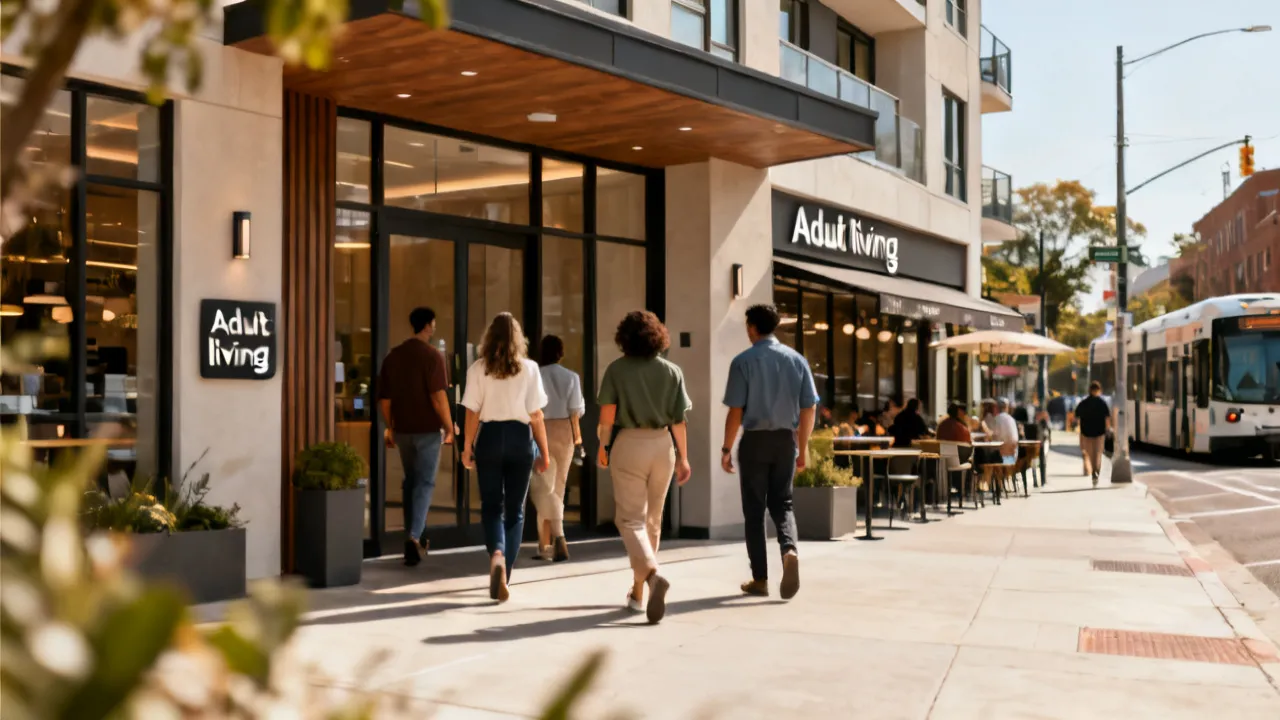
If you’re searching for Adult Apartments Near Me, the very important step is not the listing—it’s your decision criteria. Adult-focused communities often emphasize suitability, quiet enjoyment, safety, and lifestyle-aligned rules. The top choice is the one that matches your daily routine (work hours, commute pattern, preferred noise levels, and privacy needs) while meeting your budget and legal comfort.
In practical terms, “near me” searches succeed when you treat them like a shortlisting exercise: compare apartment features, confirm eligibility rules, review lease conditions thoroughly, and verify that the surrounding neighborhood supports your everyday life. That’s how you move from browsing to confidence.
It helps to think of apartment hunting as a two-part puzzle. One part is your “must-have profile,” which is personal and non-negotiable. The other part is the building’s “operation profile,” which includes policies, maintenance responsiveness, security practices, and shared-space behavior. Adult communities often try to align those two profiles—because residents’ experiences depend on how expectations are managed. If you start with your needs first, you’re far more likely to find a place where policies feel supportive rather than restrictive.
For example, if your schedule is unusual—late-night shifts, frequent early mornings, or remote work during daytime hours—then noise rules and neighbor patterns matter more than the apartment’s photo. If you travel often or have visitors, guest policies and entry systems become critical. If you rely on public transit or drive at predictable times, commute convenience affects your quality of life more than a “close-by” label.
Ultimately, starting with requirements reduces the most common mistake in apartment searches: falling for marketing language. “Adult living” can be used broadly, and even communities that are genuinely adult-oriented still vary widely in enforcement and management. A structured approach prevents you from choosing based on a single attractive feature—like a modern gym or updated flooring—while overlooking the operational reality that governs your day-to-day life.
The phrase Adult Apartments Near Me is used by landlords and property managers to describe rental communities oriented toward adult occupancy. While the exact definitions can vary, they typically relate to:
From an industry perspective, these communities aim to align residents’ expectations. That alignment matters because apartment living is an experience shared with neighbors—so clarity about rules and fit is an ethical and practical necessity, not just marketing.
However, it’s important to understand that “adult” can mean different things in different places. Some properties use “adult living” as a broader lifestyle framing—quiet, mature atmosphere, and community norms—without focusing heavily on formal age restrictions. Others follow strict eligibility categories, where occupancy is limited to specific age groups. There can also be exceptions, such as allowing limited guest stays, permitting caretakers or certain dependents, or offering variations for partners and spouses. The point is not to assume; the point is to confirm.
When you see Adult Apartments Near Me in search results, treat it as a signal that you should pay extra attention to documentation and the “operating rules” of the community. Even if the property is legitimate, adult-focused living is only consistently delivered when management enforces the rules fairly and clearly. That’s why eligibility definitions and lease policy language matter as much as the building’s amenities.
When evaluating options under the umbrella of Adult Apartments Near Me, price is rarely just a single number. Even if you have a target rent, professionals recommend comparing the full cost structure, including:
Even without quoting any specific “price information” you may have seen elsewhere, the objective method is consistent: request a written breakdown and compare like-for-like units.
It can be helpful to calculate your real monthly housing cost instead of relying on base rent alone. For example, two apartments may list similar rent, but one might include water and trash while the other charges separately. One might offer parking at no extra cost, while the other charges an additional fee or requires a waitlist. Even small recurring charges can influence affordability over a year.
Also consider the “timing” cost of moving. Move-in fees can be several hundred to several thousand dollars depending on the property. If you’re budgeting carefully—especially when changing jobs or relocating—those upfront expenses affect whether the apartment is truly achievable at the moment you want to sign.
Another budgeting factor that renters sometimes ignore is insurance. Some communities require renters insurance or suggest it strongly, but they may include minimum coverage requirements. If you need to purchase a policy quickly, don’t let it surprise you after you’ve committed. Ask the leasing office what they require so you can incorporate it into your plan.
Finally, consider the “risk of cost increases.” Many leases allow rent increases upon renewal, and the adjustment rate may not be visible at the time you tour. You can’t always predict exact increases, but you can ask what rent adjustment patterns look like for existing tenants. Even a general answer helps you forecast whether the unit will remain affordable long-term.
Searching Adult Apartments Near Me implies you want real-world convenience: commutes, errands, healthcare access, and everyday safety considerations. Instead of focusing only on straight-line distance, assess factors that affect routine quality:
For many renters, the goal is a calmer, more predictable routine—something adult-focused communities often market indirectly through rules and shared-space expectations.
When you evaluate location for adult-focused living, you’re not only asking “Where is it?” You’re asking “How does it feel when you live there?” A community that is close to work but difficult to access during rush hours may create stress every day. Similarly, a building near nightlife might offer easy convenience but also create noise patterns that conflict with your preferences—even if the property has quiet hours.
Because you’re likely to be managing a mature lifestyle routine—work, fitness, social plans, and personal downtime—your location priorities often differ from those of other renter profiles. For instance, you may care more about:
Think about your weekly patterns and map them onto the apartment’s surrounding environment. If you tend to go to the gym in the evening, consider whether the walk or drive at that time is comfortable. If you attend community events or restaurant nights, check whether those areas create background noise that travels into the unit through windows or walls. If you drive, assess whether parking is convenient when you return unpredictably or have guests in the car.
Even a “near me” listing can be misleading if it’s near a major road. Traffic noise can be constant. It may also interfere with the sense of quiet enjoyment that adult communities often promise. That’s why you should assess sound as part of location evaluation, not only unit evaluation.
Many renters lose time by reading descriptions without verifying details. Industry top practice is to evaluate each unit with a consistent rubric. Look beyond aesthetics and verify how the space supports daily living:
This is the moment where “adult living” expectations should become concrete. A community can market a “quiet atmosphere,” but your visit should confirm whether the building’s physical design and management practices make that possible.
To make the checklist even more useful, treat each unit visit like a short data-gathering exercise. Instead of relying on “first impressions,” look for evidence that the unit has been maintained and that the building’s routines reduce friction. For example, check whether doorways close smoothly, whether faucets leak, whether outlets appear functional, and whether walls show signs of repeated patching that might indicate ongoing issues.
Sound insulation is especially important. Even if the property has quiet hours, daily life includes footsteps in hallways, opening and closing doors, plumbing noise from above, and conversations carried through shared walls. During your tour, spend time in different parts of the apartment—living area, bedroom, and bathroom. Listen and also pay attention to whether you can comfortably hear your own conversation at normal volume. If the apartment feels “echo-y,” you may experience noise differently than you expect.
Ventilation and indoor air quality are also key to long-term comfort. Check how the bathroom fan works. If windows open only slightly or don’t seal properly, you may experience humidity. High humidity can lead to odors, mold risk, and a generally unpleasant living environment. If you’re looking for adult apartments that feel like a true retreat, ventilation quality can determine whether that experience holds up.
Storage matters more than most renters expect—especially for adult routines. If you have seasonal clothing, work equipment, hobby items, or personal documents you need to keep organized, adequate closets and cabinet space can improve comfort daily. If the unit has limited storage, you may need to purchase furniture or shelving, which adds cost. Consider whether you’re comfortable living with storage constraints or whether you should prioritize units with better built-in capacity.
Also evaluate how the apartment’s layout supports your specific routine. If you work from home, consider how you can set up a desk without blocking natural light. If you entertain, think about whether the kitchen and living area flow naturally for guests. If you value privacy, consider whether bedrooms are separated from living areas and whether windows face private courtyards or public walkways.
Finally, don’t underestimate the importance of maintenance evidence. If you see discolored grout, stained ceilings, persistent scuff marks near common ingress points, or delayed repairs in visible areas, ask yourself whether those are isolated issues or patterns. A well-managed adult community typically shows consistent upkeep because management aims to preserve the resident experience—not only to keep the property “acceptable” for rent. Your observation during the tour often becomes a clue for what you’ll experience during the lease.
Lease terms and house rules often vary more than residents realize when searching Adult Apartments Near Me. To protect your interests, focus on:
From a compliance-minded perspective, the very responsible approach is to request the full written documentation before you sign anything, including rule sheets and any addenda.
Lease review can feel tedious, but with adult communities it’s especially important because the rules often shape daily life more directly. For instance, guest policies may not only limit overnight stays; they might require advance registration, restrict how long a visitor can stay, or define “frequent guest” in ways that could matter for your lifestyle. If you plan to have a partner stay regularly on certain nights, you need to understand how that is categorized.
Quiet hours can also be nuanced. Ask whether quiet hours are standard across the building or vary by floor or unit orientation. In some properties, enforcement is complaint-driven. In others, management actively monitors shared spaces. You also want to know how complaints are handled. Adult-focused living should still be fair and consistent; a community that responds to complaints quickly and professionally is generally a more stable environment.
Smoking rules are another example. Some communities prohibit smoking entirely on premises; others allow smoking in designated areas with restrictions. The enforcement process matters too. If you or your visitors smoke, confirm the boundaries clearly. Even if you never smoke, check whether the building is designed to prevent smoke from traveling into units, such as through ventilation systems or hallway seepage.
Entry systems and security practices affect both safety and convenience. A building with a controlled entry can reduce unwanted access, but it should also support modern living. Ask about package delivery procedures and whether the building uses secure lockers, front desk pickup, or access codes. If you shop frequently, package handling becomes a major operational factor that can influence your satisfaction and peace of mind.
Renewal and termination terms determine your flexibility. If you might change jobs, move for family reasons, or decide to purchase a home, you need to know how much notice is required and what penalties apply for breaking the lease. Many leases include specific terms for early termination. Some adult-focused communities might also have policies that allow easier ending for certain circumstances, but those are not universal. Read carefully.
Maintenance access and inspections also shape your sense of privacy. Review how much notice management must provide before entering your unit. If you work from home, you’ll want to plan for inspections and ensure you’re not constantly adjusting your schedule. Also ask about emergency protocols and whether management can enter immediately when necessary—this is standard, but understanding the process helps reduce stress.
Because adult communities may emphasize rules, pay attention to enforcement steps. Are there warnings? Are there written notices? Do repeated violations escalate in a predictable manner? If the lease describes “nuisance” definitions, guest violations, or other grounds for action, you should understand those details before committing.
While “supplier details” can be interpreted in multiple ways in real-estate contexts, the practical version is this: the property manager or leasing team is the “provider” you rely on for day-to-day service quality. When searching for Adult Apartments Near Me, evaluate provider capability through:
Apartment living is operational. A well-run building often outperforms a “better-looking” one when it comes to resident experience—especially in communities designed for adult routines.
Provider quality is one of the most predictive factors for tenant satisfaction because it affects problem-solving. If a building has rules on paper but management doesn’t enforce or doesn’t respond quickly, the experience will not match your expectations. Conversely, a building with fewer “flashy” amenities can feel far better if management handles concerns quickly and communicates clearly.
During your inquiry, watch for patterns. Do they answer questions thoroughly, or do they give you generic statements? Are they willing to provide documents like rule sheets and lease addenda, or do they pressure you to decide before you have everything? Are fees described consistently, or do costs appear to change after you ask additional questions? Those patterns are signals.
Maintenance accountability is also important. Ask how residents submit maintenance requests and what system is used—online portal, phone line, email, or a ticket system. Then ask what typical response times look like for different categories of issues (e.g., emergency leaks vs. appliance repairs). If management is unclear or vague, that uncertainty often translates into your experience after move-in.
You can also assess provider quality by observing common areas. Are hallways clean? Are stairwells maintained? Are trash areas managed with regular collection? Are there visible signs of delayed repair—like cracked tiles, broken lights, or persistent odors? Maintenance problems in common spaces often indicate systemic issues in scheduling and budgeting.
Another factor is professionalism during tours. Adult communities often emphasize calm living and respectful behavior, so leasing staff should reflect that. If a leasing office seems chaotic, dismissive, or unprepared, it can be hard to trust that they’ll manage operational needs fairly once you become a resident.
Finally, consider how management handles conflict. Even in adult-focused communities, residents have disputes or misunderstandings. The provider’s role in resolving those issues quickly and respectfully strongly affects the environment. While you can’t witness conflicts directly, you can ask how complaints are filed and what the timeline for resolution is. A well-managed property usually offers a clear process and avoids defensive communication.
Amenities are frequently advertised, but the real question is whether they match your habits. For adult-focused communities, amenities may include fitness rooms, lounges, secure mail systems, and resident events—though offerings vary. Consider:
If the community’s rules support calmer living, amenities should reinforce that goal rather than disrupt it. During the tour, observe whether common areas feel orderly.
Amenities are often treated as a bonus, but for adult renters they can be part of lifestyle stability. If you rely on a fitness room, you may want to confirm it has enough equipment and space for your routine. If you work during typical business hours, you’ll benefit if amenities are open during early mornings or evenings. Adult communities might market “wellness” or “relaxation,” but the practical question is whether those spaces are accessible when you’re actually available to use them.
Resident lounges can be helpful for socializing without leaving the building, but they can also create noise. Consider proximity: if your unit is adjacent to a lounge that hosts events, your comfort could be affected. Ask about typical event frequency and whether events are scheduled with notice. Rules around occupancy of common areas can also matter—some buildings limit the time and number of residents in shared rooms to maintain calm living.
Secure mail systems and package lockers are especially relevant for adult lifestyles. Many renters work full-time and may not be available to sign for deliveries. A building with effective package handling reduces missed deliveries, security risks, and inconvenience. Ask what happens to packages when a resident is away. Also ask whether residents are notified via text or app, and whether packages are stored securely for a defined period.
Parking and storage amenities can also influence daily life. If the building offers a garage, assess whether there are restrictions, how access works, and whether you have assigned space or must compete for availability. Parking noise and traffic flow can also matter if you prefer quiet surroundings. Storage units might be valuable if you downsize but still need room for seasonal items, exercise gear, or hobby materials.
Some “adult-focused” communities offer resident events to promote community connection. Those can be positive if you like social engagement, but they can be disruptive if you prefer privacy. Ask how events are managed and whether attendance is optional, how noise is contained, and whether the building communicates schedules in advance.
Most importantly, verify the condition of amenities. If a gym is dusty, equipment is broken, or a lounge is poorly maintained, you should assume it will be frustrating to use. Adult-focused communities aim to cultivate a pleasant environment, and amenities are part of that experience. A community that maintains amenities suggests better operational management.
Rental listings and occupancy policies reflect broader housing-market practices—especially around standardization of rules, screening procedures, and property management operations. For decision-making anchored in verified information, consult established sources such as government agencies and reputable housing research organizations. For example:
These sources don’t define “adult apartments,” but they support the broader goal: evaluate housing options responsibly and with reliable context.
In practice, using credible sources helps you interpret what you see in listings. For example, many apartment transactions involve screening, disclosures, and fee structures that should be consistent with consumer protection principles. While specific rules differ by state and locality, renters generally benefit from understanding their rights and what documentation should exist. That reduces the chance of agreeing to vague terms or being surprised by non-transparent charges.
Fair housing considerations are also relevant. Adult-focused occupancy policies must still follow applicable legal frameworks. If you’re searching broadly, you might encounter properties that market eligibility in a way that is confusing or overly broad. Using reputable sources can help you ask the right questions and identify when a policy needs clarification.
Market research sources can help you contextualize affordability. Rental prices fluctuate and may rise with demand. Understanding broader trends can help you set realistic expectations about how quickly units might fill, how competitive your offers might be, and how much flexibility you may have in negotiation—if any is permitted.
Finally, credible sources support responsible decision-making. Adult-focused living might appeal to you for reasons related to privacy, quiet enjoyment, or lifestyle alignment, but it should never cause you to skip standard due diligence. Even if a community is “adult” oriented, you still need to verify lease terms, document accuracy, and management practices.
| Evaluation Area | What to Verify | Why It Matters for Adult-Focused Living |
|---|---|---|
| Eligibility/Occupancy | Age policy, documentation requirements, and how exceptions are handled | Prevents eligibility surprises and ensures community expectations align |
| Lease Structure | Term length, renewal terms, termination notice, and fee schedule | Reduces risk of unexpected costs or lock-in situations |
| Rules and Quiet Standards | Quiet hours, guest limitations, enforcement procedures | Protects day-to-day comfort and neighbor consideration |
| Total Monthly Cost | Utilities, parking, deposits, insurance requirements (if any) | Ensures the unit fits your budget across the whole billing cycle |
| Maintenance Process | Request method, response timeline, emergency protocols | Adult living still depends on reliability—repairs can’t wait |
| Neighborhood Fit | Transit access, noise sources, walkability, healthcare access | “Near me” should translate into convenience and predictable routines |
| Security and Access | Entry systems, package handling, lighting and building upkeep | Supports safety and peace of mind |
Use this sequence when narrowing down Adult Apartments Near Me options. It’s designed to reduce emotional decision-making and increase verification.
To further improve your process, build a simple scoring system. Assign point values to your priorities (for example: quiet rules enforcement gets a higher score than a minor finish upgrade). This helps you compare options consistently rather than choosing based on which tour left you feeling most impressed that day.
Also consider the timeline. If you need to move quickly, you may have fewer choices. But even in urgent situations, you should still request critical documents and clarify rules before committing to deposits. Missing paperwork can lead to eligibility problems or unexpected costs later.
Rental application requirements can vary by property and local regulations. However, the general conditions you should anticipate when seeking Adult Apartments Near Me include:
Always review conditions in the lease and confirm anything that is unclear before paying deposits. A responsible provider will explain requirements without pressure and with documentation.
For adult communities, application requirements may include additional documentation beyond standard identity and income checks, especially if the property enforces adult occupancy rules. This could include providing identification or proof of eligibility as specified by the policy. Make sure you understand how documents will be collected and stored, and whether copies are required or if staff will verify in person.
Some communities may also require a letter or certification if eligibility is based on a specific defined category. Ask what the documentation must include and how it should be formatted. If you’re moving from out of state or international, verify whether alternative forms of proof are accepted.
Affordability verification is also important. Even if you qualify based on income, the community may have internal guidelines such as a minimum income-to-rent ratio or requirements for how income is calculated. If your income is variable—commission-based work, freelance income, or seasonal employment—ask how they evaluate income. Transparency in this step prevents last-minute problems.
Finally, clarify how long the application process takes. If you need to secure a unit quickly, ask about processing times for background checks and approvals. Ask whether a holding fee or deposit is required to reserve the unit while your application is reviewed, and confirm any refundability terms. Understanding the timeline reduces stress.
Another frequent mistake is waiting too long to ask “operational questions.” Many renters focus on the unit’s appearance and forget to ask how daily life works. For adult communities, operational questions often include:
Operational clarity matters because it reduces friction. A building might look calm, but if the operational process is slow—like maintenance that rarely responds or guest rules that are enforced unpredictably—your comfort can still decline.
Another error is not verifying how “guest” or “visitor” is defined. Some communities consider frequent overnight stays as unauthorized occupancy. If you regularly have visitors—especially partners staying for extended periods—you need to know whether that’s permitted and what boundaries exist. Without that clarity, you may accidentally violate the lease.
Renters also sometimes overlook how a unit’s orientation affects sound. Units facing an internal courtyard can feel quieter than units facing street-level roads or parking lots. Even within the same building, sound exposure can differ. Check where the unit is located, how windows are positioned, and whether balconies face shared spaces or quieter areas.
Lastly, avoid relying solely on word-of-mouth reviews without corroborating details. Online reviews can be useful, but they may highlight experiences specific to one time period. Management practices may improve or worsen over time. If you use reviews, treat them as a prompt for questions rather than as final proof. Ask management to clarify patterns that reviewers mention—especially regarding maintenance responsiveness and enforcement consistency.
It typically refers to rental communities that focus on adult occupancy and lifestyle-aligned rules. Exact eligibility and policies vary by property, so you should confirm details in writing during the application or leasing process.
Ask the leasing office to provide the occupancy policy and explain what documents are needed. Request the information in writing if possible, and ensure you understand how the policy is applied.
No. Total cost can include utilities, parking fees, deposits, and move-in charges. Always request a complete itemized breakdown before committing.
Verify unit condition (ventilation, plumbing, appliance function), storage and layout, noise levels, security features, and how common areas are maintained. If the building advertises quiet living, assess whether the environment supports it.
They may be, depending on rules around guests, quiet hours, and community management practices. Privacy is partly a policy issue and partly a physical design issue—so confirm both.
Focus on renewal terms, termination notice requirements, any penalties, fee structures, and enforcement steps for rule violations. Ensure you understand what happens if plans change.
Look for consistent responses, clear documentation, transparency about fees, and a reasonable maintenance workflow. Your experience during inquiry often predicts your experience after move-in.
Use reputable sources such as government housing agencies (e.g., HUD in the U.S.) and consumer protection authorities (e.g., CFPB in the U.S.). For broader rental market context, consider research institutions like Harvard’s Joint Center for Housing Studies.
Finding Adult Apartments Near Me is top approached as a structured process: define your needs, confirm eligibility and policies, compare total monthly cost, and evaluate the unit and neighborhood with realistic attention to day-to-day comfort. When you combine an objective checklist with careful lease review, you reduce risk and increase the chance that your next home supports your routine—quietly and reliably.
Conditions reminder: Requirements and rules can differ by location and property. Treat all listing details as preliminary until verified in writing through the leasing office.
Striking the Perfect Balance: Navigating Premiums and Out-of-Pocket Expenses in Senior Insurance Plans

Explore the Tranquil Bliss of Idyllic Rural Retreats

How to Make Lasting Memories at Disneyland Attractions

Affordable Phones and Plans for Seniors

Affordable Full Mouth Dental Implants Near You

Unlock the Top Kept Secrets to Finding Your Ideal Dentist for Flawless Dental Implant Results!

Discovering Springdale Estates

Unveiling RS Sul Telecom Services

The Guide to Car Trading

Finding Adult Apartments Near Me the Right Way
This guide explains how to evaluate Adult Apartments Near Me with a practical, objective approach to layout, privacy, lease terms, and community fit. “Adult apartments” commonly refer to residential communities with age-appropriate policies, amenities, and rules designed for adult living. You’ll also find a step-by-step screening checklist and FAQs to support better decisions.
